
Japan Casino Licensing Window Opens for Second IR Round as Cabinet Sets 2027 Timeline


By Daniel Cheng, Asia Markets Reporter
Japan casino licensing window will officially open on May 6, 2027, after the Japanese cabinet approved a landmark order on March 10, 2026, setting the stage for the country’s second round of integrated resort applications. The six-month application period runs through November 5, 2027, giving prefectural and municipal governments a defined timeline to submit proposals under the Integrated Resort Implementation Act. With Osaka already holding Japan’s sole approved IR license, the new window represents the first opportunity for rival cities to enter the race since the framework launched in 2021.
Japan Casino Licensing Window Follows Osaka’s Landmark Approval
The Japanese government approved Osaka as the country’s first integrated resort area on April 14, 2023. MGM Resorts International, in partnership with Japan’s Orix Corporation, is developing the JPY 1.27 trillion ($10 billion) project on Yumeshima Island, with construction advancing on schedule for a summer 2030 opening. MGM confirmed in early 2026 that it would not exercise its contractual escape clause, signaling long-term commitment to the Japanese market despite a construction timeline that has tested investor patience.
The IR Implementation Act permits a maximum of three integrated resort areas nationwide, each hosting a single casino operator. With one slot filled by Osaka, two licenses remain available — and the japan casino licensing window gives aspiring host cities their first realistic path since Yokohama withdrew its bid in 2021 and Wakayama’s application was rejected in 2022.
Which Cities Could Apply During the Japan Casino Licensing Window
Nagasaki, which previously submitted an unsuccessful application alongside the Austrian operator Casinos Austria, is widely considered the frontrunner for a second attempt. The Nagasaki prefectural government retained its IR promotion office throughout the dormant period and has continued engaging with potential operator partners, according to industry sources familiar with the discussions.
Tokyo has never formally entered the IR bidding process, but the metropolitan government commissioned a feasibility study in late 2025 examining potential sites in the Odaiba waterfront district. Governor Yuriko Koike has not endorsed a bid, though economic advisors within her administration have publicly discussed the revenue potential of a Tokyo-based resort. Other municipalities, including Hokkaido’s Tomakomai region and the Kyushu city of Sasebo, explored candidacies during the first round but did not submit final applications.
Regulatory Controls Shape Operator Strategy
Japan’s regulatory framework imposes unusually strict conditions compared to other Asia-Pacific gaming jurisdictions. Japanese citizens and residents must pay a ¥6,000 ($42) entry fee per 24-hour period, with a hard cap of three visits per week and ten visits per 28-day cycle. Casino floor space cannot exceed 3% of the total integrated resort area, and operators must allocate substantial square footage to non-gaming amenities including convention centers, hotels, and cultural facilities.
These restrictions make the japan casino licensing opportunity fundamentally different from markets like Macau or Singapore, where casino revenue dominates the business model. Operators bidding on Japanese licenses must build viable hospitality and entertainment businesses that happen to include a casino — not the other way around.
Online iGaming Implications of the Japan Casino Licensing Push
Japan currently prohibits all forms of online casino gambling. However, the IR framework has prompted sustained policy discussion around digital gaming regulation. The japan casino licensing process includes provisions for technology-driven responsible gambling tools — real-time identity verification, facial recognition at entry points, and centralized self-exclusion databases — that could serve as infrastructure for any future online regulatory regime.
International operators with existing online platforms, including MGM (through BetMGM), Las Vegas Sands, and Wynn Resorts, have publicly noted that a physical presence in Japan could position them advantageously if the government eventually opens online channels. The International Comparative Legal Guides assessment of Japan’s gambling laws confirms that while legislative appetite for online gaming remains limited, the regulatory architecture being built around IRs is explicitly designed to be extensible to digital platforms.
Japan Casino Licensing Window Marks a Turning Point for Asian Gaming
The confirmation of a 2027 application window ends years of uncertainty for operators and municipal governments that had been waiting for the cabinet to act. Construction on the Osaka IR has demonstrated that Japan’s regulatory process, while deliberate, does eventually deliver outcomes — and the japan casino licensing timeline gives competing cities approximately 12 months to finalize their proposals, secure operator partnerships, and build public support for local hosting agreements.
For the broader Asian iGaming industry, Japan’s continued build-out of a regulated casino sector signals that the region’s largest economy is moving toward a comprehensive gaming framework, even if online legalization remains a separate and longer-term discussion. The 2027 window will test whether Japan can attract the capital and operational expertise needed to fill its remaining two IR slots — and whether the strict regulatory conditions produce the responsible, tourism-driven model that legislators envisioned when they passed the enabling legislation nearly a decade ago.




Why Is My Crypto Withdrawal Taking So Long? (Confirmations, Network, Fees)

USDT vs Bitcoin Casino Withdrawals: Speed, Fees & Risks Compared

Crypto vs E-Wallet Casino Withdrawals: Speed, Fees, Risks Compared

Responsible Gambling Controls in Regulated Markets (UK/AU) and How They Work

10 Best Online Casino Singapore Sites Ranked and Reviewed

Name Mismatch: Why Wallet/Bank Names Must Match Casino Profiles

Best Casino Withdrawal Methods (Speed, Fees, Safety Compared)

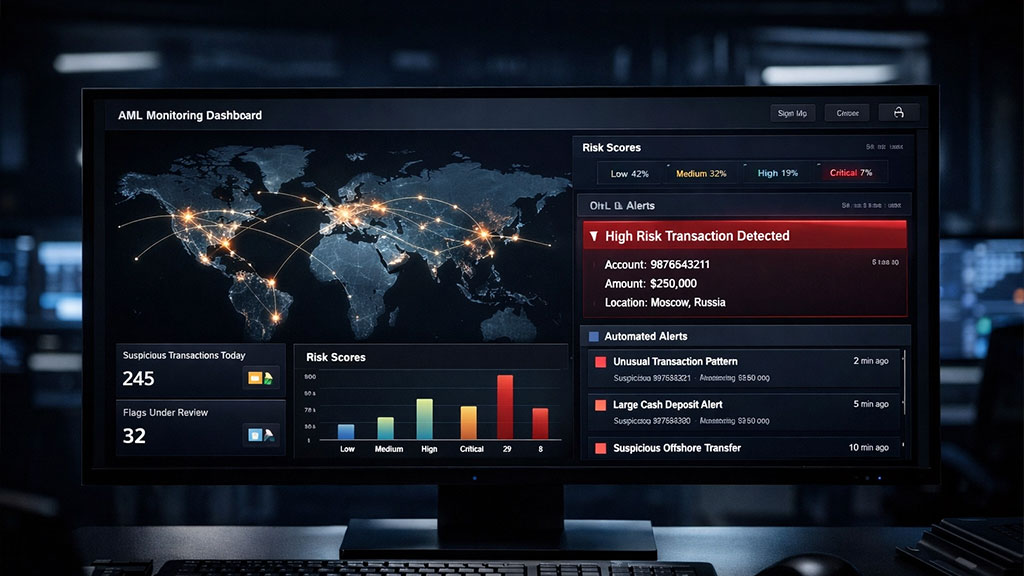
AML in iGaming: Common Red Flags That Trigger Reviews

8 Nhà Cái Uy Tín Nhất Hiện Nay Tại Việt Nam Với Ưu Đãi Tặng Tiền Và Tỷ Lệ Cược Hấp Dẫn
