
Casino Verification Delays: What You Can Check


In online gambling, account verification is part of how operators check identity, payment details, and compliance requirements. Processing times can vary, and in some cases verification takes longer than expected. Bright Side of News explains why these delays happen, what the operator may be reviewing, and which common issues can slow approval or withdrawals. The focus is on how the system works, why delays happen, and how these cases are typically handled.
This article is based on a review of common verification practices, regulatory requirements, and payment-related checks used by online gambling operators. Verification processes may vary depending on the platform, licensing authority, and jurisdiction. The purpose is to explain how these systems typically work and why delays may occur, rather than to provide platform-specific instructions.
Why Casino Verification Happens in the First Place
Casino verification, also known as KYC (Know Your Customer), is a process used by online casinos to confirm a player’s identity, as explained in the UK Gambling Commission’s age, ID and financial verification guidance. This process is not arbitrary. It exists to comply with legal requirements, prevent fraud, and ensure a safe gambling environment.
When users register at an online casino, they may be asked to provide documents such as a government-issued ID, proof of address, or payment method verification, which is part of the wider KYC in online casino process. The casino then checks these documents against its records to ensure the information is correct.
The verification process typically serves three purposes:
- Identity Verification: Ensures the player is who they claim to be.
- Fraud Prevention: Stops illegal activities such as money laundering, account hacking, or underage gambling.
- Regulatory Compliance: Online casinos must comply with laws in the countries they operate in. Failure to do so can result in heavy fines or license revocation.
While this process is crucial, delays can frustrate players, especially those eager to play or withdraw funds. Understanding why these delays occur is the first step to managing the situation.
How the Casino Verification Process Usually Works
Verification usually follows a similar path, but the timing is not universal. In many cases, users submit identity and address documents first. The operator may then run electronic checks, followed by manual review if the documents are unclear, the details do not match, or enhanced checks are triggered. Account approval is completed only after the operator is satisfied with the documents and information provided. Some checks may be completed quickly, while document-based or enhanced reviews can take longer depending on risk, workload, and internal procedures.
Signs Your Casino Verification Is Taking Too Long
A delay may be easier to spot when the account remains in pending status without clear progress, when the operator asks again for documents that were already sent, or when withdrawals stay on hold while review is ongoing. These signs do not always mean the account is blocked, but they can indicate that the case needs more information, manual review, or follow-up from the operator at that stage.
These situations are often described as a “verification pending” or “account verification delay,” and they may involve document rejection, manual review, additional payment method verification, or a temporary withdrawal hold before funds can be released.
When a Verification Delay Is Normal vs Unusual
Not all delays indicate a problem. In many cases, verification may take longer simply because the operator is processing a high number of requests or reviewing documents manually. Short delays, especially during weekends or promotional periods, are generally part of normal operations.
A delay may be considered unusual when there is no update for an extended period, repeated document requests without clear explanation, or conflicting instructions from support. In these situations, the verification process may require additional checks or clarification before it can be completed.
Why Casino Verification Can Take Longer Than Expected
When a verification request sits in “pending” status for days, there is usually a specific reason. Understanding these reasons can help explain what may be affecting a specific verification case.
- High Volume of Submissions: Online casinos may receive thousands of verification requests daily. During peak periods, such as holiday seasons or promotional events, verification teams may experience a backlog.
- Quality of Submitted Documents: If the documents uploaded are blurry, incomplete, expired, or do not match the user account details, verification can be delayed. Casinos may request re-submission, which adds more time to the process.
- Manual Checks: Even though many casinos use automated systems, some verifications require human review. Manual checks can take longer, especially if the documents are in non-standard formats or need translation.
- Security Protocols: Security and AML checks can extend review time when the operator needs to confirm payment-method ownership, source of funds, or unusual transaction patterns. These extra checks are part of risk control, especially where transactions appear large or inconsistent.
- Regional Regulations: Regulatory requirements vary across jurisdictions, so verification steps are not identical everywhere. In stricter markets, operators may run checks before gambling or before withdrawals are released, especially where local AML rules are much tighter. In some Asian markets, regulatory approaches differ significantly. For example, certain jurisdictions restrict or tightly control online gambling activities, which can affect how operators handle verification and payments. As a result, users in these regions may experience different verification procedures, longer checks, or additional compliance requirements depending on the platform’s licensing structure.
- System Errors or Technical Issues: Occasionally, delays occur due to server downtime, website bugs, or errors in the document upload system. These technical problems are often temporary but can cause verification to appear “stuck.”
Payment-related checks can also affect verification timelines. In some cases, operators need to confirm that the payment method used belongs to the same person as the account holder. Differences in name, the use of third-party accounts, or unclear transaction patterns may trigger additional review. These checks are part of financial compliance and can delay both verification and withdrawal processing until the information is clarified.
What to Check When Casino Verification Is Pending
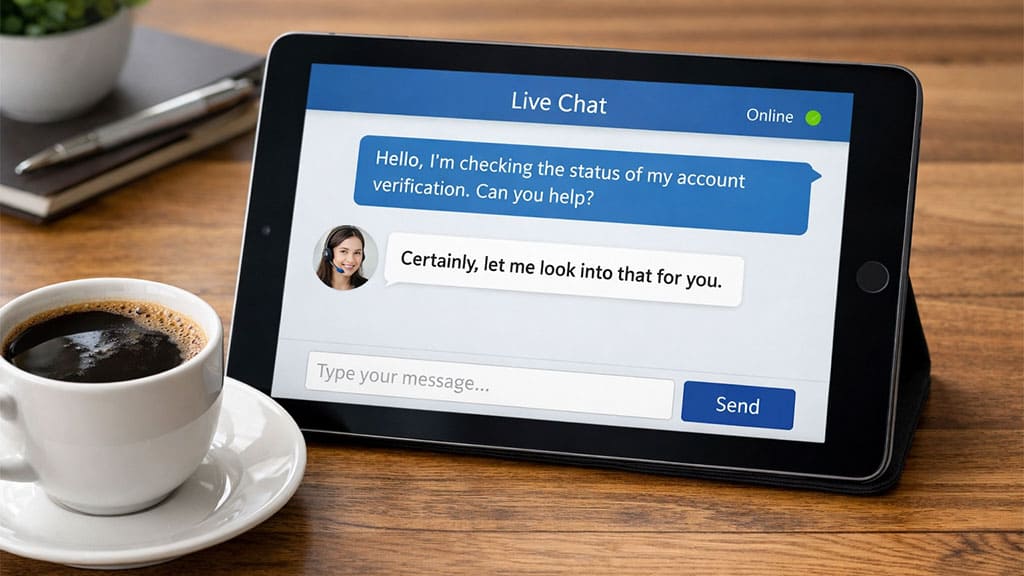
Verification delays are often linked to a small number of common factors. In many cases, the operator is waiting for clearer documents, matching account details, or confirmation of payment ownership. Understanding what the system is likely reviewing can help explain why the status remains pending.
If a verification request remains in “Pending” status, users can review a few common issues that may affect document checks or further response times.
Document Quality
Document quality often affects review speed. The ID should be valid and unexpired. The full document should be visible in one frame. The image should be clear enough to show the name, date of birth, and other details without blur or glare. Strong reflections, heavy shadows, cropped edges, or low resolution can lead to rejection or a request for another upload, which extends the review process at that stage.
Proof of Address Files
Proof-of-address checks are often easier to complete when the file is clear and complete. Many operators accept a utility bill, bank statement, or letter in digital form. Requirements vary by operator, but recent documents are commonly requested because older ones may not meet review rules.
Support Follow-Up
Support channels can sometimes clarify whether a case is still under review or whether new documents were requested. A short status request may help confirm the next step, but response times still depend on the operator’s queue, compliance process, and internal review rules at that time.
Email Follow-Up
Email remains part of many verification workflows. If a document is rejected or more information is needed, the operator may still send a follow-up message with the reason or next request. Checking inbox, spam, and promotions folders can help confirm whether the review is waiting for another submission from the user side.
Technical Issues That Can Delay Verification Checks
Sometimes, delays in casino verification are not caused by the documents themselves but by technical issues on the website or server side. These technical factors can explain why uploads fail or why verification appears delayed at certain stages.
- File Size Limits: Upload failures can sometimes come from file size, format, or connection issues rather than document quality alone. Limits vary by operator, so large files or unsupported formats may require another fresh upload.
- Browser Cache: If an upload page does not respond, the cause may be browser data, extensions, or a compatibility issue. Clearing cached data can fix some loading problems, and trying another browser can help isolate the cause.
- Maintenance: Site maintenance or system outages can also slow document checks. Some operators publish notices during planned disruptions, but not every delay will be explained in real time.
These technical issues can delay review, especially when users keep retrying uploads before the submission clears.
Document Tips That May Help Avoid Verification Delays
Clear, readable images reduce the chance of extra document requests during a delayed verification review process.
- Lighting: Good lighting helps keep the ID readable and reduces glare across the surface of the document. Strong reflections or dark shadows can hide names, numbers, or dates and may lead to another review request.
- Background: A plain and uncluttered background can make the document easier to capture clearly. Better contrast around the edges of the ID may also reduce blur and help the full document remain visible in one image.
- Format: Widely accepted image formats such as JPG or PNG are generally easier for upload systems to process. Some platforms may not handle HEIC files well, which can create avoidable format or compatibility issues during submission.
- Proof of Address: Address documents usually need to be recent and readable. Operators often ask for a utility bill, bank statement, or letter, but the accepted date range varies by platform and regulator. Older documents may lead to another request or a review delay.
Clear and complete documents can reduce the chance of repeated checks, although final processing time still depends on the operator’s internal review process.
How Casinos Handle ID Security and Data Privacy
It is understandable for users to be cautious when sending ID documents online. Licensed operators generally use HTTPS and TLS-based encryption to protect data in transit. That reduces the risk of interception during transmission, but it does not by itself explain how the data is stored after upload.
After upload, storage practices depend on the operator and its service providers, and these details are not always explained publicly in full. A more reliable general check is whether the website uses HTTPS and whether its privacy policy or security information explains how personal data is handled. These checks do not remove risk, but they can provide more context before sensitive documents are submitted.
Conclusion
Casino verification delays are a common challenge in online gambling, caused by high submission volumes, document issues, payment verification, regulatory requirements, and technical checks. Players may experience delayed withdrawals, restricted access, and stress due to waiting periods.
Delays are often linked to document quality, account-detail mismatches, payment-method checks, or extra compliance review. In some cases, clearer documents and consistent account information reduce avoidable delays, but final timing still depends on the operator’s review process.
Verification checks can support fraud control, age checks, and regulatory compliance, but they can also create friction when documents are unclear or when additional review is triggered. This means verification can serve a protective purpose while still creating delays, limits, or uncertainty for players.








Crypto Casino Withdrawal Fees Explained: What You Actually Pay

Why Is My Crypto Withdrawal Taking So Long? (Confirmations, Network, Fees)

USDT vs Bitcoin Casino Withdrawals: Speed, Fees & Risks Compared

Crypto vs E-Wallet Casino Withdrawals: Speed, Fees, Risks Compared

Responsible Gambling Controls in Regulated Markets (UK/AU) and How They Work

Name Mismatch: Why Wallet/Bank Names Must Match Casino Profiles

Best Casino Withdrawal Methods (Speed, Fees, Safety Compared)

AML in iGaming: Common Red Flags That Trigger Reviews

8 Nhà Cái Uy Tín Nhất Hiện Nay Tại Việt Nam Với Ưu Đãi Tặng Tiền Và Tỷ Lệ Cược Hấp Dẫn
