
Payments & Fintech
Casino Payment Disputes: Chargeback vs Refund


In online gaming and digital payments, players sometimes encounter situations where money is returned after a transaction. This kind of payment reversal is commonly described as either a refund or a chargeback, and Visa’s explanation of the difference between a chargeback and a refund shows that the two processes follow different routes. While the two may look similar on the surface, the mechanics, implications, and technical steps behind them are different.
The distinction between chargeback vs refund, or refund vs chargeback, is often unclear in gambling-related payments. This guide explains the processes, key steps, and payment-system roles behind chargebacks and refunds, giving readers a clearer view of how these systems work and why the difference matters.
What Is a Chargeback in Casino Payments?
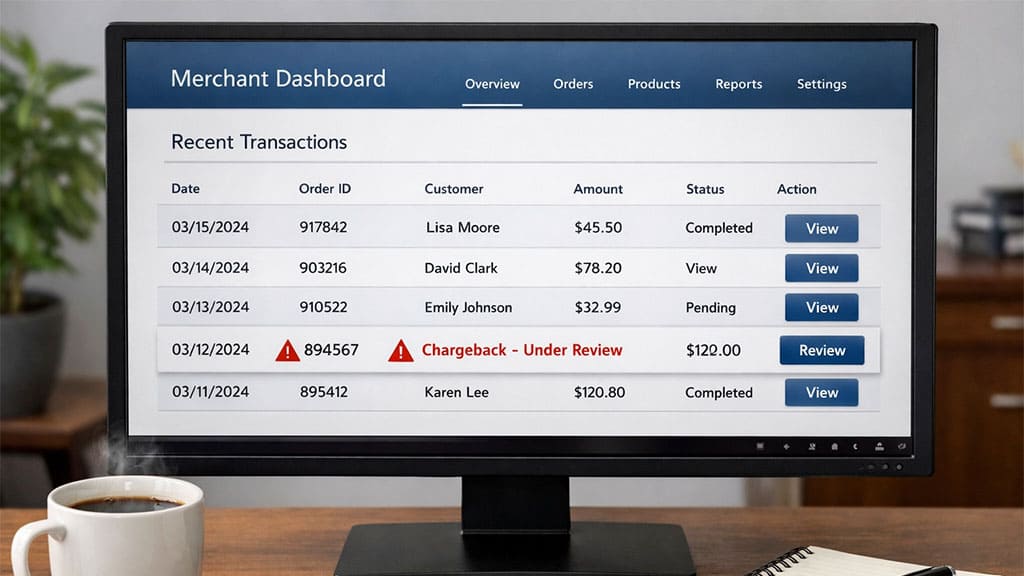
A chargeback is a payment dispute started through the card issuer or bank. It is a consumer-protection process that can apply to unauthorized transactions, billing errors, goods or services not received, or credits not processed. Unlike a refund, which is handled by the merchant, a chargeback moves through the card-payment dispute process and may continue even if the merchant disagrees.
How the Chargeback Process Usually Works
The process of a chargeback is standardized in the payment industry, but it can be complex. It generally follows these steps:
- Transaction Dispute: A player notices a charge that appears unauthorized, incorrectly processed, duplicated, or linked to a service that was not provided as expected, and then contacts the card issuer.
- Issuer Review: The bank reviews the claim to determine if it meets the conditions for a chargeback. Documentation from the player may be requested.
- Merchant Notification: If the dispute moves forward, the issuer notifies the merchant side through the payment chain, and the transaction may be reversed temporarily while the case is reviewed.
- Merchant Response: The merchant can either accept the chargeback or challenge it by providing evidence that the transaction was legitimate.
- Final Decision: The bank or card network decides whether to uphold or reject the chargeback based on the submitted evidence.
Common Reasons a Chargeback May Happen
Chargebacks can be triggered by several scenarios:
- Unauthorized Transactions: Fraudulent use of a card without the cardholder’s consent.
- Non-Delivery of Goods or Services: When a service, such as a game credit or a digital item, is not received.
- Duplicate Charges: A player is billed more than once for the same transaction.
- Technical Errors: Incorrect amounts processed due to system glitches.
- Service Not Provided or Not Resolved: A player may raise a card dispute when a paid service was not delivered as expected, was billed incorrectly, or was not resolved through the normal support process.

Chargeback Time Limits and Review Delays
Chargebacks have strict timelines. In practice, the filing window depends on the bank, the card scheme, and the dispute type. Many card-scheme cases are raised within about 120 days, while some billing-error rights follow other deadlines. If the deadline passes, the issuer may decline to open or continue the case.
Chargebacks provide an important consumer-protection route, but they are not instant solutions. Resolution can take weeks and sometimes longer because the issuer, acquirer, merchant, and card network may all be involved. Depending on the operator’s terms and the payment provider’s risk controls, repeated disputes may also lead to account review or payment restrictions.
What Is a Refund in Casino Payments?
A refund is a return of money initiated by the merchant. Unlike chargebacks, refunds are cooperative and typically faster, provided the merchant’s policies are clear and properly followed.
How the Refund Process Usually Works
The refund process is generally simpler than a chargeback. It includes:
- Request for Refund: The player contacts the merchant, explaining the issue with the purchase.
- Verification: The merchant verifies the transaction and confirms eligibility for a refund based on their terms.
- Return of Funds: If approved, the merchant processes the refund directly to the original payment method.
- Confirmation: The player receives confirmation, and the transaction is cleared from their account.
Common Reasons a Refund May Be Issued
Refunds may be issued for a variety of reasons:
- Technical Errors: Payment was processed incorrectly, or the wrong item was delivered.
- Service Cancellation: A player cancels a subscription or game package within the allowed period.
- Promotional Adjustments: Merchants may refund as part of promotions, loyalty rewards, or goodwill gestures.
- Dispute Resolution: When a player reports an issue directly to the merchant, and the merchant agrees to resolve it.
Refund Timing, Delays, and Limitations
Refunds are often faster than chargebacks because the merchant can process them directly without opening a formal card-scheme dispute. Even so, the speed still depends on the merchant’s internal process, the original payment method, and the provider that receives the credit. Bank transfers may take longer than some card or wallet refunds.
A refund is usually a more direct process than a chargeback, but it is not automatic. The outcome still depends on the merchant’s or casino refund policy, the facts of the transaction, and whether the return can be posted correctly to the original funding source.
How the Casino Payment Chain Actually Works
In a card payment, several parties are involved. The player uses a card issued by the card issuer. The payment then moves through a card network, such as Visa or Mastercard, and reaches the merchant through an acquirer or payment processor. A merchant refund usually starts on the operator’s side and moves back to the original payment method, but payment limits on online casino and gambling platforms can also shape how much can be returned at one time or how the transaction is handled internally.
A chargeback follows a different payment dispute process. It begins with the issuer side, then moves through the card network, the acquirer, and the merchant. This is one reason chargeback vs refund is not just a difference in wording, but a difference in how the payment system works.
Chargeback vs Refund: Key Payment Differences
Understanding the technical distinction between chargebacks and refunds helps players see why they have different outcomes and consequences.
| Feature | Refund | Chargeback |
| Initiator | Merchant or operator, usually after a player request | Card issuer or bank, after a formal dispute |
| Process | Direct return through the merchant side | Formal dispute through issuer, network, and acquirer |
| Speed | Often faster, but still depends on processing | Often slower because review and evidence are involved |
| Fees | Usually no separate dispute fee for the player | Merchant or processor may face dispute-related fees |
| Account impact | Usually limited to the transaction itself | May trigger account or payment-method review under operator terms |
Both mechanisms can return money, but they are not the same. Chargebacks are part of a card dispute process linked to fraud, billing errors, or service not provided, while refunds are part of a direct merchant refund process.
Why Players Confuse Chargebacks and Refunds
Many players assume that an unhappy outcome can be reversed through the bank in the same way as a normal refund. This can create confusion. In practice, gambling-payment disputes sit inside wider card-network, operator, and regulatory rules, and those rules can differ by jurisdiction. PAGCOR, for example, is an official gaming regulator in the Philippines, but gambling oversight is not the same in every market.
A chargeback is not the same thing as undoing a gambling loss. Card disputes are generally designed for recognised payment problems such as unauthorised use, billing errors, service not provided, non-delivery, duplicate processing, or credits not processed. A lost wager on its own does not fit those categories in the same way.
How Chargebacks Affect Casino Payment Systems
When a chargeback happens, the operator may lose access to the disputed funds while the case is being reviewed. Depending on the payment provider or processor, the merchant side may also face dispute-related fees and extra handling costs. The exact cost depends on the network, processor, and commercial terms in place.
High dispute levels can also create payment-acceptance problems for operators. Card networks, acquirers, and processors run monitoring and risk programmes, and merchants with persistent dispute or fraud issues can face added scrutiny, higher costs, or operational restrictions.
What Risks Players Face With Chargebacks
Using a chargeback to dispute a valid gambling transaction can create serious payment and account issues.
- Account Restrictions: Operators may review or restrict an account if a transaction is disputed through the banking system instead of being handled through the normal support route.
- First-Party Misuse: Card networks and payment providers recognise that some disputes involve valid transactions being challenged after the fact, sometimes called first-party misuse or friendly fraud.
- Banking Outcome: The final outcome depends on the issuer, the evidence provided, the payment method used, and the terms that apply to the account.
Rules, Risks, and Payment Dispute Outcomes
Understanding the regulatory framework behind chargebacks and refunds helps clarify why these systems exist and how they protect both merchants and players.
Refund Regulations
Refunds are usually handled through merchant policy and contract terms rather than through the card-dispute system. Even so, consumer-protection rules in some jurisdictions can require repair, replacement, refund, or other remedies in certain cases, especially where goods are defective, services are not delivered as agreed, or payment errors occur. The exact remedy depends on the market, the product type, and the facts of the transaction.
Chargeback Regulations
Chargebacks are governed by card network rules, such as those from Visa, Mastercard, and American Express. Key points include:
- Card-scheme deadlines often run around 120 days in many cases, but the exact filing window depends on the dispute type, the issuer, and the network rules that apply.
- Merchant and acquirer response windows also vary by network and stage of the case, so fixed timeframes should not be presented as universal.
- Supporting evidence can include proof of delivery, proof of credit, transaction records, communication logs, and other documents required by the network or issuer.
Chargeback regulations are more complex than refund policies. They involve multiple stakeholders, timelines, and potential fees for both parties.
What Can Trigger a Chargeback Review?
Chargebacks should be separated from fraud screening and transaction-risk controls. In many cases, unusual payment patterns such as very large transactions, rapid repeat payments, or unexpected location changes are more likely to trigger fraud checks, declines, or account review before they become formal disputes.
Merchant Category Codes can also matter. Gambling is treated as a regulated category in many markets, and card networks require gambling transactions to be identified correctly. That affects monitoring, compliance, and payment acceptance, but it is not the same thing as an automatic chargeback.
Common Chargeback and Refund Myths
Many players confuse refunds with chargebacks. Some assume that requesting a refund will automatically trigger a bank-level reversal, which is not true. Similarly, some players think chargebacks are guaranteed and instant, which is also inaccurate.
Myth 1: Chargebacks Are Faster Than Refunds
Reality: Many players assume that contacting the bank will automatically result in quicker resolution. In reality, chargebacks usually take longer than refunds because banks must review evidence and follow a formal dispute process.
Myth 2: Banks Always Side With the Player
Reality: Banks do not automatically decide every case in the player’s favour. In some cases, a temporary credit may be issued while the case is reviewed, but merchants and acquirers can still respond with evidence, and the final outcome can change.
Myth 3: Chargebacks Have No Consequences
Reality: Chargebacks can have consequences beyond the disputed payment. Repeated or unsupported disputes may lead to account review, payment-method restrictions, or added checks by the operator or payment provider.
Myth 4: Refunds Are Always GuaranteedReality: Some players assume that requesting a refund ensures a return of money. In practice, merchants can deny refunds if the transaction meets their terms and conditions. For example, digital goods often have a no-refund policy once delivered or activated.
Myth 5: Chargebacks Are the Same as Refunds
Reality: They are different processes. Refunds are handled on the merchant side, while chargebacks move through the bank and card-dispute system. They may lead to very different timelines, evidence checks, and outcomes.
Myth 6: Refunds Only Cover Technical Problems
Reality: While technical errors are common causes of refunds, casinos may also issue refunds to resolve customer service issues, promotional disputes, or voluntary compensations.
Myth 7: Chargebacks Can Reverse Gambling Losses
Reality: A chargeback is not designed to reverse an ordinary gambling loss. Card disputes are meant for recognised payment problems such as unauthorised use, billing errors, service not provided, non-delivery, or credits not processed. Knowingly disputing a valid transaction can fall into first-party misuse and can lead to account or payment review.
Understanding these differences can reduce confusion, set clearer expectations, and help explain why some payment problems are handled differently from others.
Conclusion
Chargebacks and refunds may seem similar at first glance, but they are different payment processes. Refunds are merchant-side returns of funds, while chargebacks are formal card disputes handled through issuer and network rules. The difference matters because each route has different timelines, evidence standards, and operational effects.
In online casino payments, confusion often comes from treating every payment problem as if it were the same. In practice, the outcome depends on the payment method used, the facts of the transaction, the operator’s terms, and the rules applied by the issuer, processor, and card network.
Looking at refunds and chargebacks through their technical, financial, and regulatory roles gives a clearer picture of why payment disputes happen and how they are usually handled.






Casino Payment Disputes: Chargeback vs Refund

Live Dealer Casinos in Malaysia 2026: Complete Player Guide

UK Gambling Commission Launches 2026 Affordability Check Rollout

New Jersey Online Casino Revenue Tops Atlantic City in 2025

Alberta Sets July 13 Launch Date for Regulated iGaming Market

Sweden Bans Credit Card Gambling Across All Licensed Operators

Casino Payment Limits and Daily Caps Explained

Best E-Wallets for Malaysian Online Casinos 2026: Speed, Safety & Top Picks

iGaming Industry Q1 2026 Recap: Regulation, AI, and the Race for Mobile Players
