
Circle USDC EU Licensed Casinos Gain Ground After MiCA Compliance


By Priya Raman, Fintech & Crypto Reporter
Circle USDC EU Licensed Casinos See Rapid Adoption After MiCA Compliance
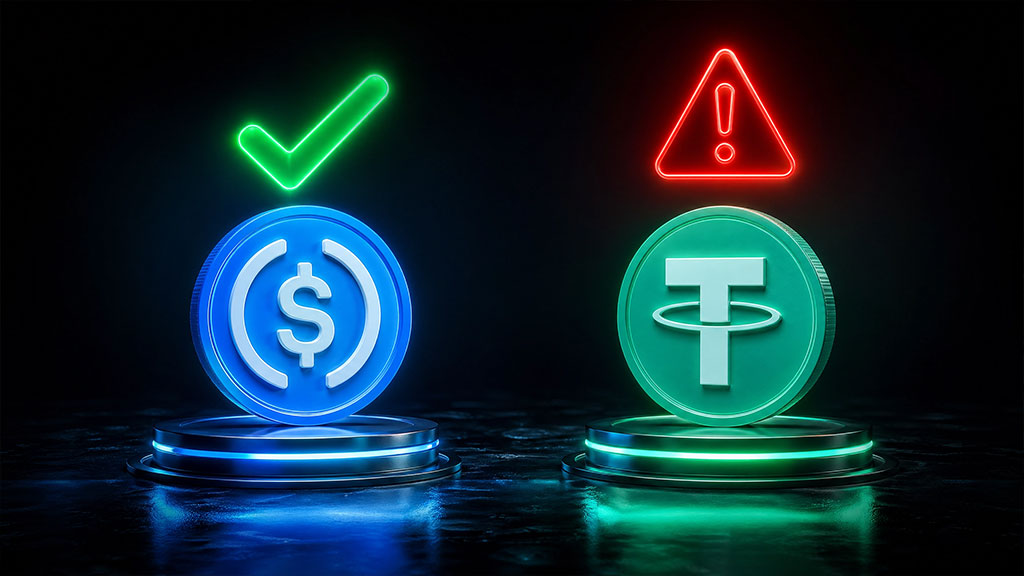
Circle USDC EU licensed casinos are rewriting the stablecoin playbook for regulated crypto gambling. Since Circle confirmed full Markets in Crypto-Assets Regulation compliance in Q4 2025, the dollar-pegged stablecoin has emerged as the default settlement token for MGA-licensed and nationally regulated crypto casino operators across the European Union — a shift driven as much by regulatory pragmatism as by player demand.
Aggregated data from Chainalysis and Messari for Q1 2026 shows stablecoins now account for more than 50 percent of all crypto-denominated wagers on licensed platforms. Within that stablecoin share, USDC has climbed from roughly 18 percent market penetration in mid-2025 to an estimated 37 percent by March 2026, according to blockchain analytics firm Nansen. The gains have come almost entirely at the expense of Tether’s USDT, which faces ongoing uncertainty over its EU regulatory status.
Why Circle USDC EU Licensed Casinos Are Gaining Ground
The answer starts with Article 58 of MiCA, which requires any issuer of an asset-referenced token used within the EU to maintain auditable one-to-one reserve backing and publish quarterly attestation reports through an approved third-party auditor. Circle met these requirements ahead of the January 2026 enforcement deadline, obtaining its Electronic Money Institution license from the French financial regulator ACPR and establishing a European operational hub in Paris.
Tether, by contrast, has not secured equivalent EU authorization. Several regulators — including Malta’s Financial Intelligence Analysis Unit and the Dutch De Nederlandsche Bank — issued interim guidance advising licensed operators to limit USDT exposure until Tether’s compliance path becomes clearer. For casino operators holding MGA or national licenses, the choice between a MiCA-compliant stablecoin and one under regulatory cloud is straightforward.
“Operators are not making a philosophical choice between USDC and USDT,” noted one compliance director at a Malta-licensed crypto casino platform. “They are making a risk management decision. Using a non-compliant token in a regulated market creates liability that no board wants to carry.”
Settlement Speed and Cost Advantages on Layer-2 Networks
The migration to circle usdc eu licensed casinos has been accelerated by infrastructure improvements on Layer-2 networks. Most USDC casino settlements now occur on Arbitrum, Base, or Polygon rather than Ethereum mainnet, cutting transaction fees to fractions of a cent and reducing confirmation times to under two seconds. For high-volume operators processing thousands of deposits and withdrawals daily, the cost savings are material.
Circle’s native support for USDC on Base — the Coinbase-incubated Layer-2 chain — has been particularly significant. Base offers direct fiat on-ramp integration through Coinbase accounts, which means players in EU markets can convert euros to USDC and deposit into a licensed casino wallet within minutes, without touching a centralized exchange order book.
Competitive Implications for Crypto Casino Operators
The stablecoin shift is creating a two-tier market. Operators that have integrated USDC and can demonstrate MiCA-compliant payment rails are positioning themselves for license renewals and new market entries. Those still relying primarily on USDT or volatile tokens like Bitcoin and Ethereum for player balances face tougher conversations with regulators during compliance audits.
This dynamic extends beyond Europe. Operators serving players in regulated Asian markets — where stablecoin familiarity is high and fiat banking access for gambling can be complicated — are watching the EU experience closely. Platforms listed in directories such as BSN’s Thailand casino reviews already cater to players comfortable with crypto deposits, and USDC’s regulatory credentials could make it the preferred bridge currency for cross-border gambling transactions.
Circle itself has leaned into the iGaming vertical. The company’s business development team has held meetings with at least three major B2B platform providers — including SoftSwiss, BetConstruct, and Digitain — to discuss native USDC integration at the platform level rather than relying on third-party payment gateways. If those integrations go live, USDC could become as frictionless as a traditional fiat deposit for players on participating platforms.
Regulatory Outlook for Circle USDC EU Licensed Casinos
The European Banking Authority is expected to publish updated guidance on stablecoin usage in gambling by Q3 2026, which could further entrench USDC’s position if the guidance explicitly favors MiCA-licensed issuers. Meanwhile, Tether has signaled it is pursuing compliance through a different EU member state, though no timeline has been confirmed.
For operators, the strategic calculus is clear. Building payment infrastructure around a compliant stablecoin reduces regulatory friction today and insulates the business against future enforcement actions. The circle usdc eu licensed casinos trend is not a temporary market anomaly — it reflects a structural shift in how regulated crypto gambling platforms manage their payment ecosystems under the most comprehensive digital asset regulation the world has seen so far.
Whether Tether can close the compliance gap before losing further market share remains the open question heading into the second half of 2026.






Crypto Casino Withdrawal Fees Explained: What You Actually Pay

Why Is My Crypto Withdrawal Taking So Long? (Confirmations, Network, Fees)

USDT vs Bitcoin Casino Withdrawals: Speed, Fees & Risks Compared

Crypto vs E-Wallet Casino Withdrawals: Speed, Fees, Risks Compared

Responsible Gambling Controls in Regulated Markets (UK/AU) and How They Work

Name Mismatch: Why Wallet/Bank Names Must Match Casino Profiles

Best Casino Withdrawal Methods (Speed, Fees, Safety Compared)

AML in iGaming: Common Red Flags That Trigger Reviews

8 Nhà Cái Uy Tín Nhất Hiện Nay Tại Việt Nam Với Ưu Đãi Tặng Tiền Và Tỷ Lệ Cược Hấp Dẫn
