
Gambling
Finland iGaming License Applications Surge Past 24 as Monopoly Era Ends

By James O’Connor, Regulation Editor
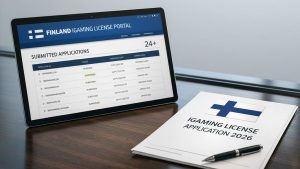
Finland igaming license applications have already reached 24 submissions — and the filing window has barely been open a month. When Finland’s parliament passed a landmark bill in December 2025 to dismantle the Veikkaus state monopoly on online gambling, few expected operators to move this quickly. The National Police Board, which is processing applications until the new Finnish Supervisory Agency takes over in July 2027, confirmed the count on March 30, 2026. Industry insiders now estimate 40 to 50 total licensees could be operational by market launch day.
Finland iGaming License Applications: Who Is Applying
The 24 operators that filed finland igaming license applications in the first month include a mix of pan-European heavyweights and Nordic specialists. Entain, Flutter Entertainment, Kindred Group, LeoVegas (now part of MGM Resorts), and Betsson are all confirmed applicants, according to filings reviewed by iGaming Business. Several smaller operators with strong Nordic track records — including Paf, Fortuna Entertainment, and Coolbet — have also submitted paperwork.
What makes the Finnish market especially attractive is its demographics. Finland has 5.6 million residents with one of the highest internet-penetration rates in Europe at 97 percent, average household disposable income well above the EU median, and a deeply embedded gambling culture built around decades of Veikkaus products. Operators see a market that is mature in demand but entirely greenfield in competition.
How the New Licensing Framework Works
Under the December 2025 legislation, licenses cover online casino games, fixed-odds sports betting, online slots, and real-money bingo. Veikkaus retains exclusivity over lotteries, scratch cards, and all land-based gaming — a compromise that secured parliamentary support from parties concerned about gambling-related harm in physical venues.
Each license is valid for up to five years, subject to annual compliance reviews. The National Police Board has the authority to suspend or revoke a license at any point if an operator fails to meet responsible-gambling standards, anti-money-laundering requirements, or player-protection obligations. Licensed operators will pay a flat 22 percent tax on gross gaming revenue (GGR), placing Finland in the middle of the European tax spectrum — more affordable than Sweden’s 18 percent income-based model but costlier than Malta’s effective rates.
Operators must maintain a registered office in Finland or another EU/EEA member state and demonstrate technical infrastructure capable of meeting Finnish data-residency requirements. Player funds must be segregated in accounts held within the European Economic Area, and all marketing must comply with Finland’s strict consumer-protection advertising standards that prohibit targeting minors or vulnerable populations.
Timeline: From Application to Market Launch
The licensing window opened on March 1, 2026, and will remain open on a rolling basis. The National Police Board aims to issue the first batch of approved licenses by Q4 2026, giving operators roughly six months to prepare for the July 1, 2027 market launch. The new Finnish Supervisory Agency, which will replace the Police Board as the primary regulator, is being staffed throughout 2026 and will assume full authority on launch day.
What Finland iGaming License Applications Mean for European Markets
Finland’s liberalization is the most significant European market opening since the Netherlands launched its regulated online gambling regime in October 2021. The Dutch experience — where the KSA initially licensed 10 operators before expanding to over 20 — offers both a blueprint and cautionary tale. Dutch regulators faced criticism for slow license processing and inconsistent enforcement during the first 18 months, issues that Finland’s phased approach is designed to avoid.
The timing also matters for the broader Nordic gambling ecosystem. Sweden tightened credit-gambling restrictions in April 2026, Denmark is reviewing its licensing framework, and Norway maintains a state monopoly with no liberalization plans. Finland’s entry creates a new competitive dynamic: operators denied or restricted in one Nordic market now have a regulated alternative next door.
For the 24 operators who have already filed finland igaming license applications, the strategic calculus is clear. First-mover advantage in a wealthy, digitally savvy market with pent-up demand is worth the regulatory investment. The question is not whether Finland’s market will succeed — it is how quickly it will mature and whether the licensing framework can scale to meet the demand that decades of monopoly suppressed.



How Online Gambling Payments Work Online

Free Credit No Deposit Casino Malaysia 2026: How to Claim RM20+ Bonuses at Trusted Online Casino Sites

Free Credit No Deposit Casino Malaysia 2026: How to Claim RM20+ Bonuses at Top Sites

Esports Betting Guide: How It Works and Risks

Best E-Wallet Casinos in Malaysia (April 2026): Complete Guide to TNG, GrabPay, and Secure Deposits

Best E-Wallet Casinos in Malaysia (2026 Guide)

Top 7 Best Casino Welcome Bonuses in Malaysia (2026)

How Online Sports Betting Really Works

Best E-Wallet Casinos in Malaysia: Top 7 Picks (2026)
