
FanDuel and DraftKings Hit With Landmark Microbetting Lawsuits Over Addictive App Design [2026]

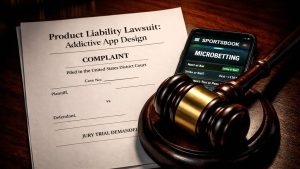
Two groundbreaking product liability lawsuits filed in late March 2026 have placed FanDuel and DraftKings at the center of a legal firestorm over the addictive design of their in-game microbetting platforms. The suits allege that America’s two dominant sportsbook operators deliberately engineered their mobile apps to maximize gambling addiction through AI-driven targeting, push notifications, and relentless promotion of rapid-fire microbets.
What Are the Lawsuits About?
The first complaint was filed on March 24, 2026, in the Court of Common Pleas of Philadelphia County, naming FanDuel, DraftKings, the National Football League (NFL), and British data company Genius Sports as defendants. A second suit followed the very next day in Massachusetts state court, targeting FanDuel, DraftKings, and Flutter Entertainment, FanDuel’s parent company.
Two Pennsylvania men, Christopher Sage and Terry Thompson, are the plaintiffs driving these cases. Sage claims his exposure to DraftKings and FanDuel sportsbook apps — especially the live, rapid, in-play wagering options known as microbetting — caused him to develop a severe gambling addiction, resulting in losses exceeding $40,000 on DraftKings and more than $130,300 on FanDuel.
Thompson’s losses were even more staggering, reportedly reaching approximately $1,520,000 on FanDuel and roughly $336,000 on DraftKings. Combined, the two plaintiffs allege nearly $2 million in gambling losses directly attributable to the operators’ addictive design practices.
How Microbetting Works — And Why Critics Call It Dangerous
Microbetting allows users to wager on individual plays, pitches, or moments within a live sporting event — such as the outcome of the next pitch in a baseball game or whether the next play in an NFL game will be a run or a pass. Unlike traditional pre-game bets or even standard in-play wagers, microbets resolve within seconds, creating an extremely rapid feedback loop.
At the core of both complaints is the argument that FanDuel and DraftKings use artificial intelligence and behavioral data to identify each user’s vulnerabilities and then exploit them. The suits allege the operators push targeted promotions and microbetting offers precisely when users are most susceptible — such as late at night, immediately after suffering a significant loss, or during moments of emotional vulnerability.
The lawsuits draw explicit parallels to the recent social media addiction cases, including the landmark March 2026 verdict in which a Los Angeles jury found Meta and YouTube liable for addictive design harms. Plaintiffs’ attorneys argue that the same product liability framework should apply to gambling apps that use similar psychological manipulation techniques.
Regulatory Responses Are Building
The legal actions come amid growing regulatory scrutiny of microbetting nationwide. On March 23, 2026 — just one day before the first lawsuit was filed — a New Jersey Senate committee advanced a bill to prohibit sportsbooks from offering or accepting microbets in the state. Multiple other states are considering similar restrictions.
Industry observers note that 28 U.S. states could see new gambling restrictions take effect in 2026, with microbetting bans emerging as a key regulatory trend. The wave of proposed legislation reflects mounting concern among lawmakers that rapid-fire in-play wagering poses unique risks compared to traditional sports betting.
What This Means for the Industry
If successful, these lawsuits could fundamentally reshape how sportsbook operators design their platforms. Microbetting has been a significant revenue driver for the industry, with operators investing heavily in live data partnerships and AI-driven personalization features. A ruling that classifies these features as “unreasonably dangerous” products could force a wholesale rethinking of mobile sportsbook design.
Both DraftKings and FanDuel have declined to comment publicly on the pending litigation. The NFL and Genius Sports have similarly not issued statements. Legal experts expect the cases to proceed through discovery in the coming months, with potential class-action certification on the horizon.
For now, the cases represent the most significant legal challenge to the U.S. sports betting industry since states began legalizing mobile wagering in 2018. The outcome could set precedent not just for gambling apps, but for any technology platform accused of engineering addictive user experiences.


Why Is My Crypto Withdrawal Taking So Long? (Confirmations, Network, Fees)

USDT vs Bitcoin Casino Withdrawals: Speed, Fees & Risks Compared

Crypto vs E-Wallet Casino Withdrawals: Speed, Fees, Risks Compared

Responsible Gambling Controls in Regulated Markets (UK/AU) and How They Work

Name Mismatch: Why Wallet/Bank Names Must Match Casino Profiles

Best Casino Withdrawal Methods (Speed, Fees, Safety Compared)

AML in iGaming: Common Red Flags That Trigger Reviews

8 Nhà Cái Uy Tín Nhất Hiện Nay Tại Việt Nam Với Ưu Đãi Tặng Tiền Và Tỷ Lệ Cược Hấp Dẫn

How Online Gambling Payments Work Online
