
When Was the First Touchscreen Smartphone Made?

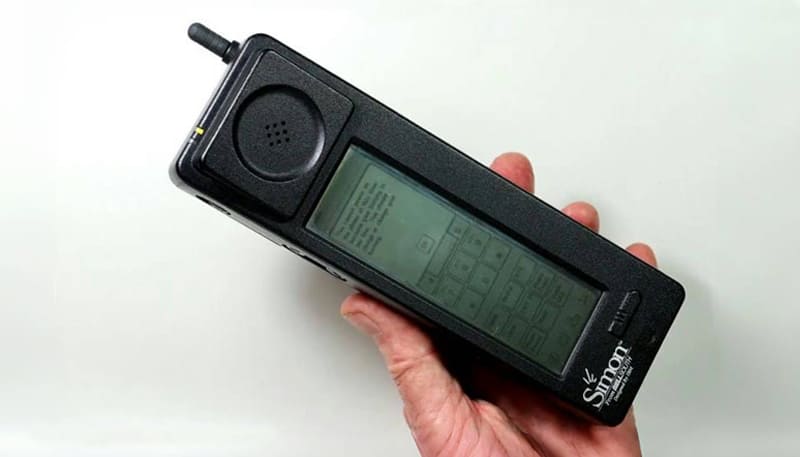
When talking about touchscreen smartphones, many people instantly recall the launch of the Apple iPhone in 2007. Do you have the answer to the question, when was the first touchscreen smartphone made?
You might be thinking that Apple’s launch of the iPhone in 2007 was the first touchscreen device. Indeed, the iPhone revolutionized the smartphone industry. However, it was not the first touchscreen smartphone. You might be surprised to know that the history of touchscreen phones goes back to the early 1990s.
The Real Pioneer
The IBM Simon, released in 1994, is the real pioneer of present-day smartphones. Yes, the IBM Simon Personal Communicator, released in 1994, holds the pride of being the world’s first touchscreen smartphone. It was developed by IBM with BellSouth. On this device, IBM combined the functionality of a cell phone with features typically found on a Personal Digital Assistant (PDA).
Simon had a monochrome LCD touchscreen. This device came with a stylus for input. It permitted users to use applications like an address book, a calculator, a calendar, and even a sketch pad. Also, users were able to send faxes, emails, and make calls on this device. Simon weighed just over a pound. The problem with this device was that it offered only an hour of battery life. It was not sleek like the present-day smartphones. However, it undoubtedly laid the groundwork for everything that followed.
Why Was IBM Simon A Revolution?
The key innovation of the IBM Simon was not just the touchscreen. The reason is that it was made with the idea of bringing together productivity tools and communication into a single device. This is why it remains the first smartphone in the world. Smartphone is a term that barely existed when Simon was introduced. Its touchscreen interface, though fundamental, denoted a considerable step toward the intuitive designs that we use today.
The Evolution After Simon
Indeed, IBM Simon was groundbreaking. However, the device did not achieve mainstream popularity. The reason is its limited capabilities and high price. Over the next decade, organizations like Blackberry, Nokia, and Palm advanced smartphone technology. However, many still were dependent on physical keyboards.
It was not until the iPhone in 2007 that the touchscreen turned out to be a standard user interface for smartphones. The app ecosystem, fluid design, and capacitive multi-touch screen of the iPhone redefined user expectations. It was responsible for the smartphone boom that we are experiencing today.



Sent Crypto to Wrong Network? What You Can Recover and What You Can’t

Crypto Casino Withdrawal Fees Explained: What You Actually Pay

Why Is My Crypto Withdrawal Taking So Long? (Confirmations, Network, Fees)

USDT vs Bitcoin Casino Withdrawals: Speed, Fees & Risks Compared

Crypto vs E-Wallet Casino Withdrawals: Speed, Fees, Risks Compared

Responsible Gambling Controls in Regulated Markets (UK/AU) and How They Work

Name Mismatch: Why Wallet/Bank Names Must Match Casino Profiles

Best Casino Withdrawal Methods (Speed, Fees, Safety Compared)

AML in iGaming: Common Red Flags That Trigger Reviews
