
ACMA Offshore Casino Enforcement Blocks 1,564 Illegal Gambling Sites and Counting

By James O’Connor, Regulation Editor
ACMA offshore casino enforcement has reached a new peak in 2026, with the Australian Communications and Media Authority requesting internet service providers block another eight illegal gambling websites in its latest crackdown. The March 2026 action brings the total number of sites blocked since the program began in November 2019 to more than 1,564, cementing Australia’s position as one of the most aggressive jurisdictions in the world when it comes to shutting down unlicensed operators targeting its citizens.
ACMA Offshore Casino Enforcement Targets Supply Chain
The latest round of blocking orders targeted operators including Frumzi, Great Win, MyStake, and several white-label platforms that had been accepting Australian players without holding any local licence. Unlike earlier enforcement waves that focused primarily on well-known offshore brands, the 2026 actions reflect a strategic shift toward smaller, harder-to-detect operations that rely on affiliate marketing pipelines and social media advertising to reach Australian gamblers.
Under the Interactive Gambling Act 2001, providing certain online gambling services to Australian residents is a criminal offence. The ACMA does not need a court order to request ISP blocks; it can issue formal notices directly to carriers after completing its own investigation. This streamlined process allows the regulator to move faster than counterparts in jurisdictions that require judicial approval for each block.
Critically, the ACMA has expanded its toolkit beyond domain blocking. The regulator now works with border protection agencies to place directors and principals of offending offshore operators on a movement alert list, effectively barring them from entering Australia. It also coordinates with overseas regulators — including the Malta Gaming Authority and the UK Gambling Commission — to pursue operators that hold licences in other jurisdictions while illegally serving the Australian market.
BetStop Self-Exclusion Register Compliance Under Scrutiny
Alongside the blocking program, the ACMA has stepped up enforcement of BetStop, Australia’s National Self-Exclusion Register, which launched in August 2023. In early 2026, Harris Bookmaking Pty Ltd, trading as Chasebet, received a formal warning after failing to adequately promote the register to its customers. The warning signals that the ACMA intends to hold licensed domestic operators to strict compliance standards even as it pursues offshore sites.
BetStop allows individuals to voluntarily exclude themselves from all licensed Australian wagering services for periods of three months to a lifetime. Licensed operators are required to check new account registrations and existing customer databases against the register. The Chasebet case suggests the ACMA views passive compliance — merely integrating the register without actively informing customers of its existence — as insufficient.
How ACMA Enforcement Compares to European Regulators
Australia’s ISP-blocking model has drawn comparisons with Italy’s ADM and the Netherlands’ KSA, both of which maintain active blocklists of unlicensed gambling domains. However, Australia’s volume of blocked sites — now exceeding 1,500 — dwarfs the European figures. Italy’s blocklist covers roughly 800 domains, while the KSA has targeted approximately 300 since the Dutch market re-regulated in October 2021.
The ACMA’s willingness to pursue affiliate networks and payment processors, not just front-end gambling sites, also sets it apart. In 2025, the regulator issued its first enforcement notice against a payment facilitator that was processing deposits for an unlicensed operator. That precedent has made Australian-market payment processing riskier for acquirers, and several major processors have tightened their own compliance screening for gambling merchants as a result.
ACMA Offshore Casino Enforcement and the Advertising Ban Horizon
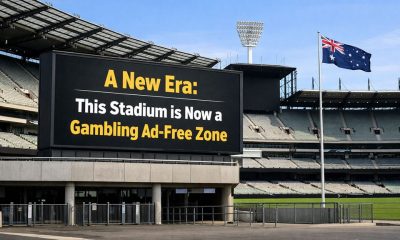
The enforcement push arrives against the backdrop of a broader political reckoning with gambling advertising in Australia. The federal government accepted all recommendations from a 2023 parliamentary inquiry led by the late MP Peta Murphy, including a phased ban on gambling advertising. The first phase, targeting online and broadcast ads during live sport, is set to take effect in 2027, with a full ban on all gambling advertising to follow within two years.
Industry observers note that the advertising ban will likely drive more operators underground, increasing the ACMA’s enforcement workload. Offshore sites that cannot advertise openly may shift to influencer partnerships, Telegram channels, and affiliate-driven SEO campaigns that are harder for regulators to detect and disrupt.
For operators and players in neighbouring Asian markets, the ACMA’s aggressive stance carries lessons. Jurisdictions like Singapore’s regulated casino environment face similar challenges in preventing unlicensed offshore operators from reaching domestic players, though Singapore relies more heavily on financial-sector controls than ISP blocking.
What 1,564 Blocked Sites Means for ACMA Offshore Casino Enforcement
The sheer volume of blocked domains raises a practical question: does ISP blocking actually reduce offshore gambling activity, or does it simply redirect players to mirror sites and VPN workarounds? The ACMA’s own research, published in its 2024-25 annual report, claims that blocking requests result in a measurable decline in traffic to targeted domains from Australian IP addresses. Independent studies, however, suggest that technically savvy users — particularly younger demographics accustomed to VPN use — face minimal friction in circumventing blocks.
What is not in dispute is the deterrent effect on operators. The combination of domain blocking, director travel bans, payment processor pressure, and cross-border regulatory cooperation has made Australia one of the most expensive markets for unlicensed operators to serve. According to the ACMA’s compliance division, the cost of maintaining mirror domains, rotating payment channels, and managing legal risk now exceeds the revenue that most small-to-mid-tier offshore brands can extract from the Australian market.
As the regulator prepares for the additional enforcement demands that the advertising ban will create, its 2026 track record suggests that acma offshore casino enforcement is unlikely to slow down. The question is whether the blocking program can scale fast enough to keep pace with an industry that treats domain rotation as a routine cost of doing business.





Sent Crypto to Wrong Network? What You Can Recover and What You Can’t

Crypto Casino Withdrawal Fees Explained: What You Actually Pay

Why Is My Crypto Withdrawal Taking So Long? (Confirmations, Network, Fees)

USDT vs Bitcoin Casino Withdrawals: Speed, Fees & Risks Compared

Crypto vs E-Wallet Casino Withdrawals: Speed, Fees, Risks Compared

Responsible Gambling Controls in Regulated Markets (UK/AU) and How They Work

Name Mismatch: Why Wallet/Bank Names Must Match Casino Profiles

Best Casino Withdrawal Methods (Speed, Fees, Safety Compared)

AML in iGaming: Common Red Flags That Trigger Reviews
