
FinTech
Best Way to Send Money from Singapore to Malaysia (2026 Guide)

For many Malaysians working in Singapore, sending money back home is a regular part of life. Whether it’s supporting parents, paying for a housing loan, or covering daily expenses in Malaysia, finding the best way to send money from Singapore to Malaysia can make a big difference in the long run.
At first glance, bank transfers may seem like the safest option. However, high fees, poor exchange rates, and slow processing times often mean your family receives less than expected. In recent years, money transfer apps have become a popular alternative, offering lower costs, better exchange rates, and faster transfers.
In this guide, we’ll compare the most common ways to send money from Singapore to Malaysia, look at their fees and speed, and help you decide which option works best for your needs.
How we compared money transfer services
To evaluate the best way to send money from Singapore to Malaysia, we compared each option based on:
- The total amount the recipient receives in MYR (all-in cost)
- Estimated transfer speed shown in-app
- Available payout methods (bank deposit, cash pickup)
- Regulatory licensing in Singapore (MAS Financial Institutions Directory)
Why Sending Money from Singapore to Malaysia Can Be Expensive
Many people assume that the cost of sending money is just the transfer fee shown upfront. In reality, the exchange rate often matters even more.
How to compare the real cost of a money transfer
All-in cost = transfer fee + FX spread (difference from the mid-market rate) + any intermediary or agent fees (if applicable).
The easiest way to compare services is to send the same test amount (for example, SGD 1,000) and check how much the recipient actually receives in MYR before confirming the transfer.
Traditional banks typically add a markup to the SGD to MYR exchange rate. This hidden cost means you may lose more money through the rate than through the actual transfer fee. On top of that, some banks charge additional fees for international transfers or involve intermediary banks that deduct charges along the way.
For Malaysians working in Singapore and sending money home every month, these small losses can add up to hundreds or even thousands of ringgit over time.
Exchange rates change constantly, and even a small difference can affect how much your recipient receives. Before confirming a transfer, it’s a good idea to check a live quote (for example, the current SGD to MYR rate) to see the final amount in MYR.
Common Ways to Send Money from Singapore to Malaysia
1. Bank Transfers (DBS, OCBC, UOB)

Bank transfers are still widely used, especially by people who value familiarity and perceived security.
Pros
- Trusted and regulated
- Suitable for very large transfer
- Easy if you already use online banking
Note: Some Singapore banks offer low-fee or zero-fee remittance options and real-time transfers to Malaysia via PayNow–DuitNow, depending on the bank and transfer method.
Cons
- Exchange rates may include a markup compared to mid-market rates
- Processing time varies depending on whether the transfer is via SWIFT or real-time networks
- Some international transfers may involve intermediary bank fees
Best for:
Large, one-off transfers where speed and cost are less important.
2. Money Transfer Apps
Money transfer apps have become the go-to choice for many Malaysians in Singapore. They are designed specifically for international transfers and usually offer much better rates than banks.
Below are the most popular options for Singapore to Malaysia transfers.
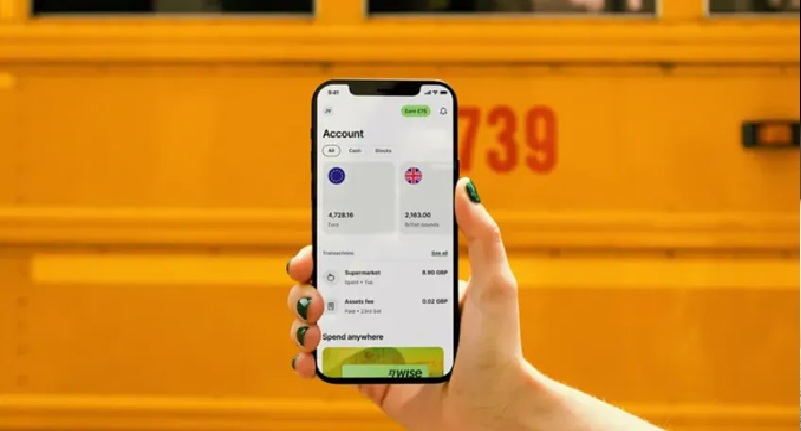
Wise (Best Overall Choice)
Many workers send money home on a monthly basis to support parents, pay for housing or car loans, or cover education expenses in Malaysia, which makes cost transparency especially important over time.
Wise is often chosen by users looking for a cost-effective way to send money from Singapore to Malaysia, especially for monthly remittances.
Unlike banks, Wise uses the real mid-market exchange rate and charges a transparent fee upfront. This makes it easy to see exactly how much your recipient will receive in MYR.
Pros
- Real exchange rate with no hidden markup
- Low and transparent fee
- Fast transfers (same day or next working day)
- Regulated by MAS in Singapore
Cons
- Fees vary by transfer amount and payment method
- Transfer speed depends on bank processing and may be subject to compliance checks
- Primarily supports bank deposits, with no cash pickup option
Best for:
Malaysians working in Singapore who send money home regularly and want the lowest overall cost.
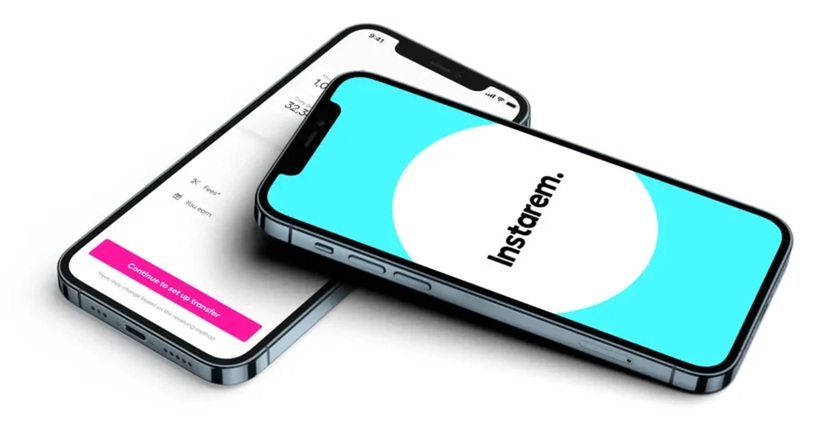
Instarem (Fast & Singapore-Based)
Instarem is a Singapore-based remittance service that is popular among local users. It often offers competitive SGD to MYR rates and fast delivery.
Pros
- Competitive exchange rates
- Fast transfers, sometimes within minutes
- Instarem is operated under Nium Pte. Ltd., a MAS‑licensed Major Payment Institution in Singapore.
Cons
- Payout time can vary, with some transfers taking 1–3 business days depending on bank processing
- Exchange rates and fees may change in real time
- Not always the cheapest option for every transfer amount
Best for:
Users who want fast transfers and prefer a locally established Singapore company.
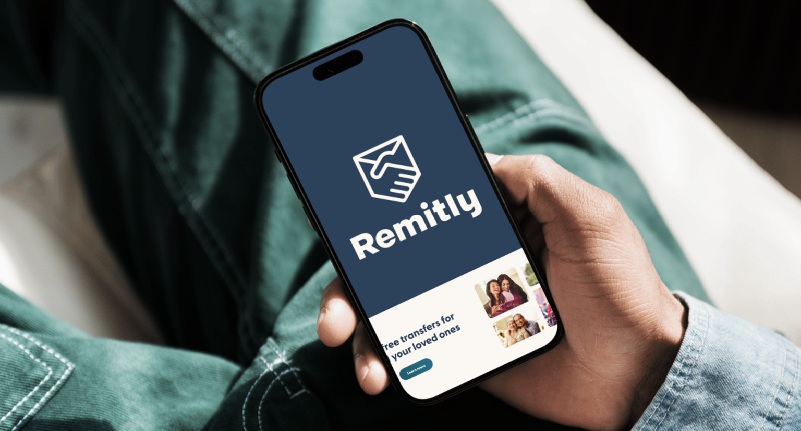
Remitly (Best for Speed)
Remitly focuses heavily on speed and ease of use, making it attractive for urgent transfers or first-time users.
Pros
- Express transfers available
- Simple onboarding process
- Frequent promotions for new users
Cons
- Total cost may include an exchange rate margin and/or transfer fees, depending on speed and delivery method
- More expensive for frequent use compared to services focused on transparent pricing
- Promotions are often limited to new users
Best for:
Urgent transfers where speed matters more than cost.
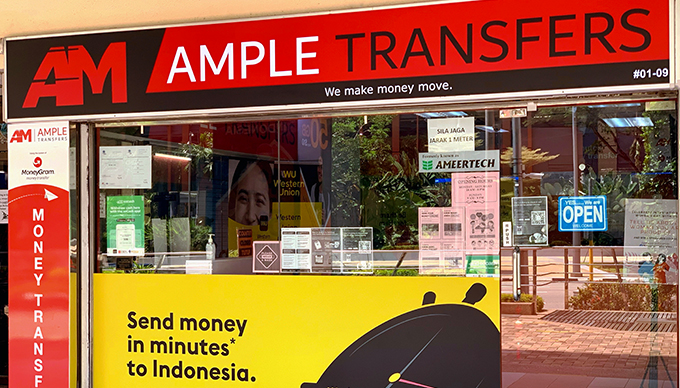
3. Cash Remittance Shops
Physical remittance shops still exist, but they are becoming less popular.
Pros
- Same-day service in some cases
- Useful for users without bank accounts
Cons
- Inconvenient
- Exchange rates vary widely
- Less transparent fees
Best for:
Occasional or cash-based users, not recommended for regular transfers.

4. PayNow–DuitNow (Bank-to-Bank Transfers)
PayNow–DuitNow is a real-time bank-to-bank transfer network that allows users in Singapore to send money directly to Malaysian bank accounts using a mobile number or bank details.
Several Singapore banks support PayNow–DuitNow transfers to Malaysia, often with no transfer fees. However, the exchange rate used is typically the bank’s own rate rather than the mid-market rate.
Transfers are usually processed almost instantly, but daily limits and bank-specific cut-off rules may apply.
Best for:
Small to medium bank-to-bank transfers where speed and convenience matter more than achieving the best exchange rate.
Comparison: Which Is the Best Way to Send Money from Singapore to Malaysia?
The comparison below focuses on pricing structure, exchange rate type, and typical transfer speed. Actual fees, rates, and delivery times vary based on amount, payment method, bank processing, and compliance checks.
| Method | Pricing model | Exchange rate type | Typical transfer speed | Best use case |
|---|---|---|---|---|
| Wise | Upfront transfer fee | Mid-market rate + disclosed fee | Minutes to 1 business day (depends) | Regular monthly remittance |
| Instarem | Fee and/or FX margin (varies) | Provider rate (varies in real time) | Same day to 1–3 business days (depends) | Fast transfers via a Singapore-based provider |
| Remitly | Transfer fee and/or FX margin | Provider rate (varies by delivery method) | Instant to 1 business day (depends) | Urgent or first-time transfers |
| PayNow-DuitNow | No transfer fee (bank FX rate applies) | Bank exchange rate | Near real-time | Bank-to-bank transfers within limits |
| Bank remittance (SWIFT) | Possible fees + FX spread | Bank exchange rate (may include markup) | 1–3 business days or longer | Large one-off transfers |
To compare costs accurately, enter the same transfer amount (for example, SGD 1,000) in each service and compare how much the recipient actually receives in MYR before confirming.
Related Cross-Border Payment Guides
If you’re exploring different ways to move money across borders in Southeast Asia, the guides below cover related payment networks, digital wallets, and real-world use cases that complement Singapore-to-Malaysia transfers.
- PayNow vs DuitNow explained
– A practical breakdown of how Singapore’s and Malaysia’s real-time payment networks work. - Google Pay integration with Malaysian eWallets
– How Google Pay connects with ShopeePay and Touch ’n Go for regional payments. - Western Union and MoneyGram consolidation
– What major remittance mergers could mean for global money transfers. - FX volatility and cross-border money flows
– How currency movements and global trade policies affect international transfers. - Crypto-to-fiat payments for tourists
– How Thailand is enabling crypto-to-Baht payments and what it means for cross-border spending.
Which Option Should You Choose?
Cheapest for monthly remittance
If you send money home to Malaysia on a regular basis, such as every month, options with transparent pricing and exchange rates close to the mid-market rate tend to be more cost-effective over time.
This is especially important for ongoing support like family expenses, housing loans, or education costs.
Fastest for emergencies
For urgent situations where funds need to arrive quickly, choosing a service that offers faster payout options or express transfers can help ensure timely delivery.
Keep in mind that faster transfers may come with higher overall costs.
Best for bank-to-bank real-time transfers
If you prefer sending money directly from your Singapore bank account to a Malaysian bank account, real-time bank-to-bank networks can offer near-instant transfers within supported limits.
These options are convenient for quick transfers, but may use bank exchange rates instead of mid-market rates.
Best Option for Malaysians Working in Singapore
For many Malaysians working in Singapore, salaries are commonly credited to local banks such as DBS, POSB, OCBC, or UOB. This makes it easy to send money to Malaysia using either bank-based transfers or money transfer apps linked to these accounts.
For most Malaysians working in Singapore, money transfer apps are the best option. They are cheaper, faster, and more transparent than traditional banks.
Among all available services, Wise stands out as the most cost-effective choice for regular transfers. Its use of the real exchange rate means your family in Malaysia receives more MYR for the same amount of SGD.
If speed is your top priority, Instarem or Remitly can be good alternatives, especially for urgent or occasional transfers.
Things to Consider Before Sending Money
Before choosing a transfer method, consider the following:
Expect identity verification (KYC) and occasional compliance checks—especially for first-time transfers or larger amounts. Processing times may also be affected by public holidays in either Singapore or Malaysia, even though both countries share the same time zone.
This is a normal requirement for regulated money transfer services in Singapore and Malaysia.
- Exchange rate: A small difference can have a big impact over time
-
Fees: Always check the total cost, not just the advertised fee
- Transfer speed: Same day vs next working day.
Transfers initiated before the daily cut-off time are more likely to be processed on the same day. -
Security: In Singapore, choose providers licensed by MAS. In Malaysia, remittance and money services activities are regulated under the Money Services Business Act framework overseen by Bank Negara Malaysia.
-
Recipient convenience: Direct bank deposit vs cash pickup
Final Verdict: What Is the Best Way to Send Money from Singapore to Malaysia?
For the majority of Malaysians working in Singapore, the best way to send money from Singapore to Malaysia is through a reliable money transfer app.
• Best overall for regular transfers: Wise
• Fast local alternative: Instarem
• Best for urgent transfers: Remitly
Compared to banks, these services offer better exchange rates, lower fees, and faster delivery—making them ideal for monthly remittances and everyday needs.
Frequently Asked Questions
These answers address common questions from Malaysians working in Singapore who regularly send money home.
Is it cheaper to use a bank or a money transfer app?
In many cases, money transfer apps can be cheaper than traditional bank transfers, mainly due to more competitive exchange rates and clearer pricing.
While some banks offer low or zero transfer fees, the exchange rate used may include a markup that affects the total cost. Comparing how much the recipient actually receives in MYR is usually the most accurate way to decide.
How long does it take to send money from Singapore to Malaysia?
Transfer times vary depending on the method used.
Money transfer apps and real-time bank networks can process transfers within minutes or by the next working day, while traditional bank remittances via SWIFT may take one to three business days or longer.
Is it safe to use money transfer apps in Singapore?
Yes, reputable money transfer apps are generally safe when they are properly licensed and regulated in Singapore.
Licensed providers operate under Singapore’s Payment Services framework and are subject to regulatory and security requirements set by the Monetary Authority of Singapore.
What is the cheapest way to send SGD to MYR?
There is no single option that is always the cheapest, as costs depend on exchange rates, fees, and transfer size.
Services that use exchange rates close to the mid-market rate with transparent fees are often cost-effective, especially for regular transfers.
Is PayNow–DuitNow cheaper than Wise?
Neither option is always cheaper—it depends on exchange rates and transfer size.
PayNow–DuitNow transfers often have no transfer fee but typically use bank exchange rates, which may include a markup. Wise uses the mid-market exchange rate and charges a transparent upfront fee.
For regular monthly transfers, comparing the final MYR amount received usually gives the clearest answer.
What is the daily limit for PayNow–DuitNow transfers, and can it be increased?
Daily limits vary by bank and customer profile.
Each bank sets its own default limits, and some allow users to adjust these limits through online or mobile banking. Higher limits may require additional verification or approval.
Checking directly with your bank is the best way to confirm current limits.
Why did my transfer get delayed even though the service is usually fast?
Delays are usually caused by verification, bank processing, or public holidays.
- Identity verification (KYC): First-time users or higher-value transfers may trigger additional checks
- Public holidays: Bank holidays in Singapore or Malaysia can affect processing
- Bank processing times: Receiving banks may process funds on the next working day
- Compliance reviews: Regulated providers may occasionally conduct routine checks
These delays are normal and form part of regulatory requirements for cross-border money transfers.


Why Investing Apps Are Becoming the First Choice for New-Age Retail Investors

What companies look for when choosing conference rooms in Bournemouth?

Best Way to Send Money from Singapore to Malaysia (2026 Guide)

Why are Young Professionals Choosing a 2 BHK Flat for Sale in Bangalore?

What is the role of Indian payment gateways in driving e-commerce growth?

Why Restaurant Iftars Are Becoming a Preferred Ramadan Choice

Using MT5 to Combine Technical Analysis, Market Depth, and Order Flow

What Is Travel Insurance and How Does It Work When You’re Abroad?

What is Balance Transfer for Credit Card in Malaysia (2026)
